






 Rumah
Rumah Produk



29+ years in pharmaceutical machinery, covering capsule filling, tablet pressing, blister packaging, tablet and capsule counting, cartoning, GMP production, and overseas machine service.

Penampilan tablet ialah salah satu petunjuk kualiti yang paling penting dalam pembuatan farmaseutikal. Walaupun tablet memenuhi keperluan berat dan kekerasan, kecacatan yang boleh dilihat seperti bintik hitam atau tompok hitam masih boleh menyebabkan penolakan produk dan menjejaskan kecekapan pengeluaran.
Bintik hitam pada tablet biasanya merupakan zarah kecil berwarna gelap, kesan noda, atau kawasan berkarbon yang muncul pada permukaan tablet atau di dalam struktur tablet. Walaupun sesetengah tompok hitam mungkin berasal daripada bahan mentah atau formulasi, banyak kes berkait rapat dengan proses pemampatan tablet serta reka bentuk, operasi, dan penyelenggaraan mesin penekan tablet.
Artikel ini menerangkan enam punca utama bintik hitam dan bagaimana reka bentuk mesin penekan tablet yang canggih membantu pengilang meminimumkan isu kualiti ini.
Bintik atau tompok hitam merujuk kepada kecacatan berwarna gelap yang boleh dilihat dan muncul pada tablet termampat. Bergantung pada sumbernya, ia mungkin muncul dalam bentuk yang berbeza.
Zarah hitam yang tertanam dalam tablet
Ini biasanya disebabkan oleh zarah yang memasuki serbuk semasa pemampatan, seperti:
●Zarah logam daripada komponen mesin yang haus
● Zarah karat daripada perkakas yang terhakis
● Serbuk berkarbon yang disebabkan oleh haba berlebihan
Noda hitam atau gelap pada permukaan tablet
Berbeza daripada zarah pepejal, sesetengah kesan hitam muncul sebagai noda atau perubahan warna. Ini mungkin berpunca daripada:
● Pencemaran minyak pelincir
● Pengumpulan serbuk bercampur dengan gris
● Kemerosotan bahan yang disebabkan oleh haba
Jalur hitam atau tanda tidak sekata
Sesetengah tablet mungkin menunjukkan tanda hitam seperti jalur yang disebabkan oleh:
● Geseran antara perkakas dan komponen mesin
● Aliran serbuk yang tidak sekata
● Haba berlebihan yang terhasil semasa pemampatan
Walaupun bintik hitam mungkin kelihatan seperti isu penampilan kecil, ia boleh menunjukkan masalah lebih mendalam berkaitan kehausan peralatan, kawalan pencemaran, atau kestabilan proses.
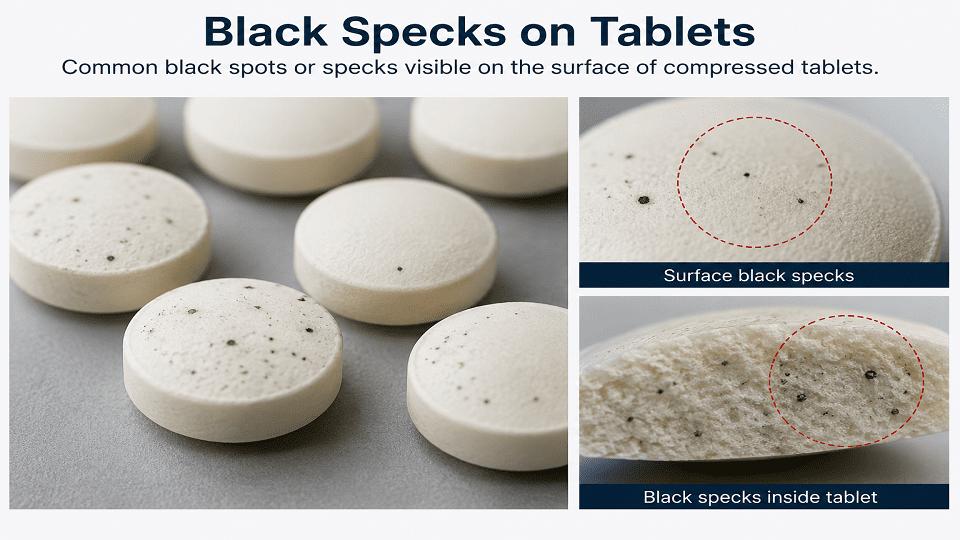
bintik hitam pada tablet
Bintik hitam biasanya tidak disebabkan oleh satu faktor sahaja. Semasa pemampatan tablet, pelbagai komponen berfungsi bersama di bawah tekanan tinggi dan kelajuan tinggi. Sebarang masalah berkaitan perkakas mesin penekan tablet, pelinciran, kawalan habuk, atau pembersihan mungkin akhirnya menjejaskan penampilan dan kualiti tablet. Berikut ialah enam punca biasa yang berkaitan dengan mesin penekan tablet.
Perkakas mesin penekan tablet, termasuk penebuk atas, penebuk bawah, dan acuan, bersentuhan secara langsung dengan serbuk semasa pemampatan. Jika permukaan perkakas menjadi berkarat, zarah kakisan mungkin tertanggal dan masuk ke dalam tablet.
Karat biasanya disebabkan oleh:
● Pembersihan dan pengeringan yang tidak betul selepas pencucian
● Penyimpanan jangka panjang dalam persekitaran lembap
● Perlindungan antikarat yang tidak mencukupi
● Sentuhan dengan bahan menghakis
Semasa pemampatan, hentaman berulang antara penebuk dan acuan boleh menyebabkan lapisan karat pecah dan tertanggal. Zarah pengoksidaan kecil ini bercampur dengan serbuk dan kelihatan sebagai tompok hitam atau coklat gelap pada tablet.
Berbanding kehausan biasa, pencemaran karat lebih sukar dikesan kerana zarah mungkin sangat kecil dan tersebar secara tidak sekata. Oleh itu, memilih bahan perkakas yang tahan kakisan dan mengekalkan prosedur pembersihan yang betul adalah penting untuk mencegah kecacatan berkaitan karat.
Pelinciran diperlukan untuk operasi mesin pemampat tablet yang lancar. Walau bagaimanapun, pelinciran berlebihan atau pengurusan minyak yang tidak betul boleh menjadi satu lagi punca bintik hitam.
Semasa operasi jangka panjang, minyak pelincir atau gris mungkin memasuki kawasan pemampatan disebabkan oleh:
● Pelinciran berlebihan
● Kebocoran minyak daripada bahagian mekanikal
● Kawalan minyak yang lemah di sekitar komponen bergerak
Apabila pelincir bersentuhan dengan serbuk tablet, ia mungkin membentuk kesan gelap atau bintik hitam selepas pemampatan. Oleh itu, pelinciran mesti dikawal dengan teliti. Matlamatnya bukan untuk menghapuskan pelinciran, tetapi untuk memastikan pelincir kekal dalam kawasan mekanikal dan tidak bersentuhan dengan produk.
Kehausan mekanikal ialah salah satu punca paling biasa bagi bintik hitam semasa pemampatan tablet jangka panjang.
Kehausan daripada perkakas mesin pemampat tablet
Penebuk dan acuan tablet mengalami ribuan kitaran pemampatan setiap jam. Dari masa ke masa, hentaman berterusan dan geseran boleh menyebabkan permukaan perkakas haus secara beransur-ansur.
Apabila penebuk dan acuan haus, jurang antara penebuk dan acuan mungkin bertambah. Dalam keadaan ini, serbuk boleh memasuki jurang yang haus dengan mudah. Oleh sebab geseran berkelajuan tinggi yang berterusan menghasilkan haba, serbuk yang terperangkap mungkin menjadi berkarbon dan kemudian tertanggal serta muncul sebagai bintik hitam pada tablet. Isu ini lebih berkemungkinan berlaku semasa pengeluaran jangka panjang dengan kelajuan pemampatan tinggi atau penyelenggaraan perkakas yang tidak mencukupi.
Kehausan daripada sistem suapan
Penyuap ialah satu lagi sumber berpotensi bagi pencemaran zarah hitam. Bagi kedua-dua sistem suapan standard dan sistem suapan daya, permukaan bawah penyuap mungkin sentiasa bersentuhan atau bergesel dengan permukaan meja putar. Jika kelegaan tidak dilaraskan dengan betul atau komponen menjadi haus, geseran boleh menghasilkan zarah logam halus.
Bagi sistem suapan daya, risikonya boleh menjadi lebih tinggi kerana ia mengandungi pendesak berputar dan pengikis. Semasa operasi berterusan, komponen ini mengalami geseran berterusan sambil menolak serbuk ke dalam acuan. Selepas penggunaan jangka panjang, kehausan pendesak atau bahagian logam berkaitan boleh menghasilkan zarah logam kecil. Zarah logam ini boleh bercampur dengan serbuk dan akhirnya menghasilkan bintik hitam pada tablet.
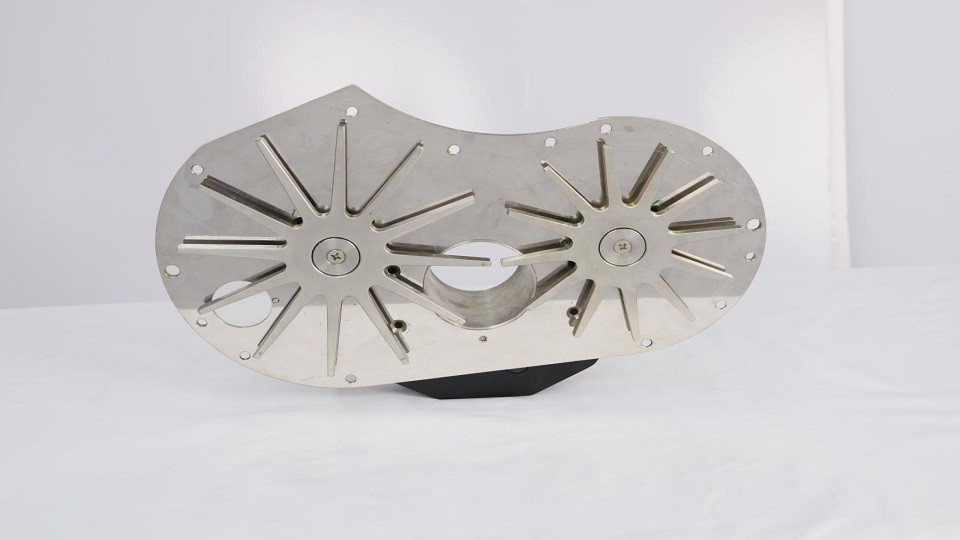
pendesak berputar sistem suapan daya
Semasa pemampatan tablet, zarah serbuk halus dihasilkan secara berterusan. Tanpa sistem pengekstrakan habuk yang berkesan, serbuk boleh terkumpul dalam meja putar, stesen suapan dan juga acuan. Serbuk yang terkumpul mungkin bercampur dengan pelincir atau mengalami pemanasan akibat geseran, menyebabkan perubahan warna atau pengkarbonan. Akhirnya, zarah tercemar ini boleh jatuh semula ke dalam aliran serbuk dan menghasilkan bintik hitam.
Kawalan habuk yang lemah juga boleh mempercepatkan kehausan perkakas, pencemaran mesin dan kekerapan pembersihan. Oleh itu, pengekstrakan habuk yang cekap adalah penting bukan sahaja untuk kebersihan mesin tetapi juga untuk kualiti tablet.
Pembersihan ialah keperluan asas dalam pembuatan farmaseutikal. Menurut prinsip GMP, peralatan mesti dibersihkan dengan teliti dan disahkan sebelum memproses produk atau kelompok yang berbeza.
Apabila pembersihan tidak mencukupi, sisa serbuk daripada pengeluaran sebelumnya mungkin kekal di dalam kawasan yang sukar dicapai, seperti penyuap, acuan dan celah antara komponen. Sisa ini mungkin bercampur dengan produk baharu dan muncul sebagai bintik hitam selepas pemampatan.
Masalah ini amat serius apabila bertukar antara produk dengan warna atau formulasi yang berbeza. Pigmen, bahan salutan atau bahan aktif yang tertinggal boleh menyebabkan pencemaran silang dan menjejaskan kualiti produk. Oleh itu, pencegahan bintik hitam memerlukan bukan sahaja prestasi mesin yang baik tetapi juga prosedur pembersihan, danpenyelenggaraan rutin.
Pengumpulan haba ialah satu lagi punca penting bagi bintik hitam, terutamanya untuk pemampatan tablet berkelajuan tinggi. Semasa pemampatan, geseran berlaku antara zarah serbuk, penebuk, acuan dan komponen lain. Di bawah tekanan dan operasi berkelajuan tinggi, haba yang terhasil mungkin terkumpul di dalam acuan.
Sesetengah bahan lebih sensitif terhadap haba, terutamanya bahan yang mengandungi kandungan gula tinggi, resin atau eksipien yang mudah dilembutkan. Apabila terdedah kepada haba berlebihan, bahan ini mungkin terurai atau mengalami pengkarbonan separa, membentuk bintik hitam.
Bintik hitam berkaitan haba biasanya muncul secara rawak dan mungkin disertai bau terbakar. Ia sering menjadi lebih ketara apabila mesin beroperasi pada kelajuan lebih tinggi.
Walaupun sesetengah faktor, seperti sifat bahan dan kehausan komponen jangka panjang, tidak boleh dihapuskan sepenuhnya, mesin pemampat tablet canggih boleh mengurangkan kejadian bintik hitam dengan ketara melalui reka bentuk yang dioptimumkan.
Mesin pemampat tablet yang boleh dipercayai bukan sahaja perlu memberi tumpuan kepada kelajuan pengeluaran dan output tetapi juga mengawal sumber pencemaran, meningkatkan kecekapan pembersihan dan mengekalkan operasi stabil sepanjang kitaran pengeluaran yang panjang. Berikut ialah penyelesaian yang disediakan oleh Rich Packing untuk menangani bintik hitam.
Pemilihan bahan memainkan peranan penting dalam mencegah pencemaran. Mesin pemampat tablet daripada Rich Packing menggunakan keluli tahan karat 2Cr13 berkekuatan tinggi untuk menghasilkan meja putar, memastikan piawaian kebersihan lebih tinggi, kekerasan yang kuat, rintangan hentaman, rintangan kakisan, rintangan haba dan rintangan haus. Ia mengurangkan risiko pembentukan karat dan menghalang zarah kakisan daripada memasuki produk.
Berbeza daripada keluli tahan karat austenit konvensional seperti 304 atau 316, yang menawarkan rintangan kakisan cemerlang tetapi kekerasan yang relatif lebih rendah, 2Cr13 boleh dirawat haba untuk mencapai kekerasan dan rintangan haus yang jauh lebih tinggi. Ciri-ciri ini menjadikannya sangat sesuai untuk komponen dengan beban tinggi seperti meja putar, tempat penebuk, acuan dan penyuap sentiasa bersentuhan semasa pemampatan berkelajuan tinggi.
Kehausan permukaan yang berkurang juga bermaksud lebih sedikit zarah logam dihasilkan melalui geseran, membantu mengurangkan risiko bintik hitam pada tablet sambil memanjangkan hayat perkhidmatan mesin pemampat tablet.
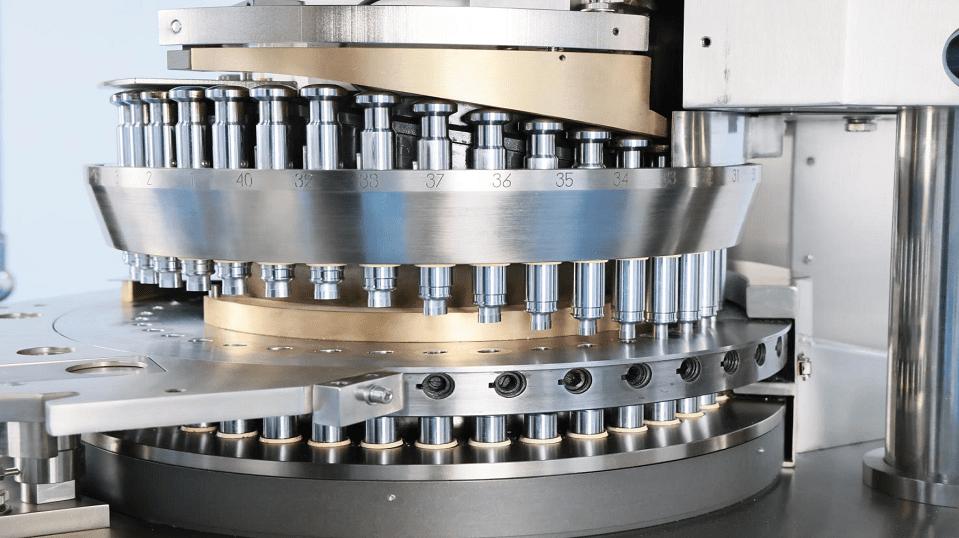
Keluli Tahan Karat 2Cr13
Pelinciran adalah penting untuk mengekalkan kestabilan jangka panjang mesin pemampat tablet, tetapi pelinciran berlebihan atau tidak terkawal boleh menjadi sumber langsung pencemaran tablet.
Untuk menangani cabaran ini, Rich Packing melengkapkan mesin pemampat tabletnya dengan sistem pelinciran pintar yang digabungkan dengan sistem pemulangan minyak. Berbeza daripada pelinciran manual konvensional, sistem ini secara automatik membekalkan jumlah pelincir yang betul pada selang masa yang ditetapkan, memastikan setiap titik pelinciran menerima pelinciran mencukupi tanpa penggunaan berlebihan.
Lebih penting lagi, sistem pemulangan minyak bersepadu mengumpulkan lebihan pelincir sebelum ia boleh memasuki kawasan pemampatan, sekali gus mengurangkan kemungkinan pencemaran minyak dengan ketara. Untuk perlindungan yang lebih tinggi, gelang minyak pilihan boleh dipasang di sekeliling pemasangan penebuk untuk menghalang lebihan pelincir daripada mencapai acuan. Penghalang pengedap tambahan ini berkesan mencegah pelincir daripada bocor ke permukaan perkakas mesin pemampat tablet, meminimumkan risiko pencemaran sekunder dan membantu mengekalkan penampilan tablet yang lebih bersih sepanjang pengeluaran yang panjang.
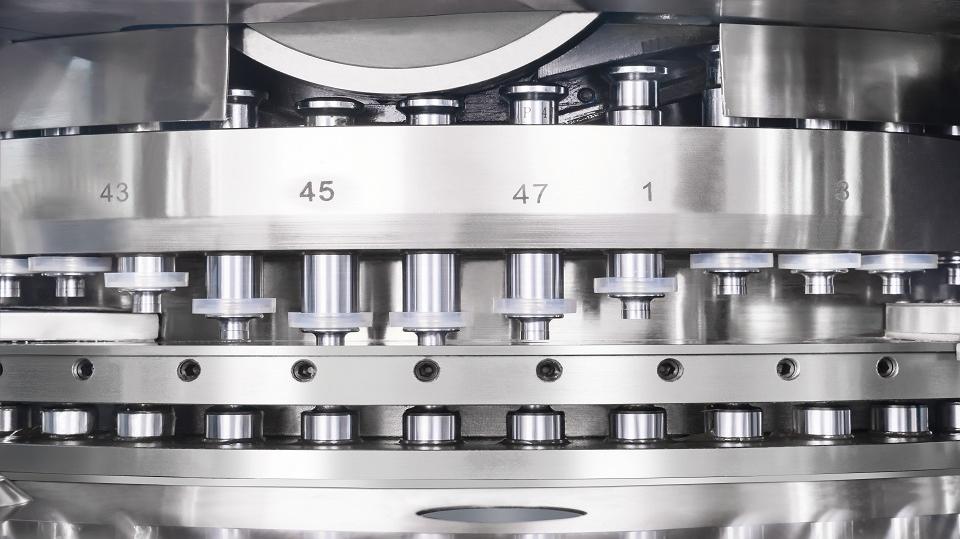
Sistem Pulangan Minyak Pelincir
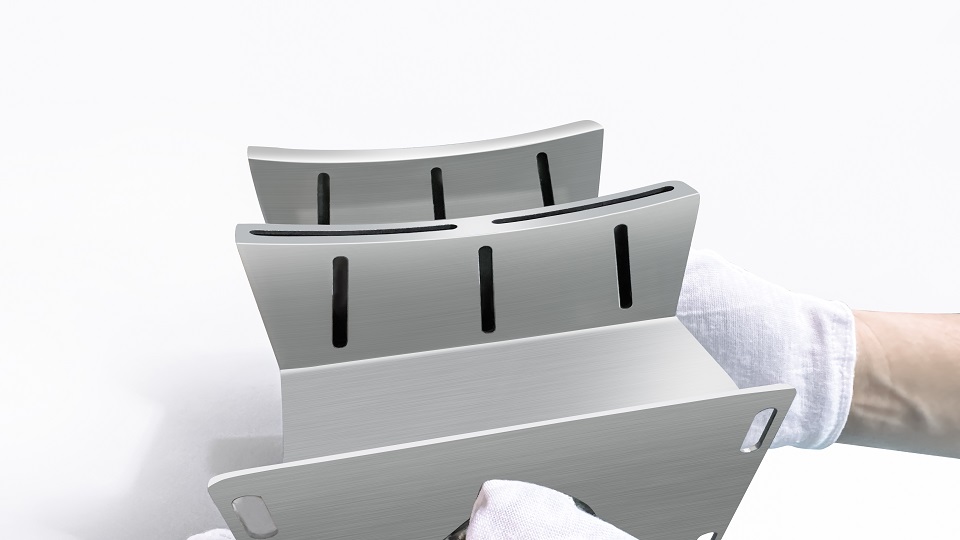
Penghapusan habuk yang berkesan adalah penting untuk menangani bintik hitam atau tompok pada tablet yang disebabkan oleh pengumpulan serbuk semasa pemampatan tablet. Mesin pencetak tablet dari Rich Packing direka dengan sistem pengumpulan habuk yang mempunyai enam port sedutan.
Tidak seperti mesin pencetak tablet konvensional yang bergantung pada satu titik pengeluaran habuk, konfigurasi enam port ini menghasilkan aliran udara yang lebih seimbang sepanjang pemampatan tablet, terus-menerus mengeluarkan serbuk dan mengelakkan habuk daripada menetap pada pusingan meja dan acuan. Oleh itu, bintik hitam dapat dikurangkan.
Kawasan pemampatan yang lebih bersih juga mengurangkan geseran antara serbuk dan komponen bergerak, menurunkan kemungkinan pembentukan haba dan karbonisasi serbuk. Selain itu, penghapusan habuk yang berkesan membantu mengurangkan lekatan punch, mengurangkan kehausan peralatan, dan melanjutkan selang pembersihan, menyumbang kepada pengeluaran jangka panjang yang lebih stabil.
Pengeluaran habuk dengan enam port
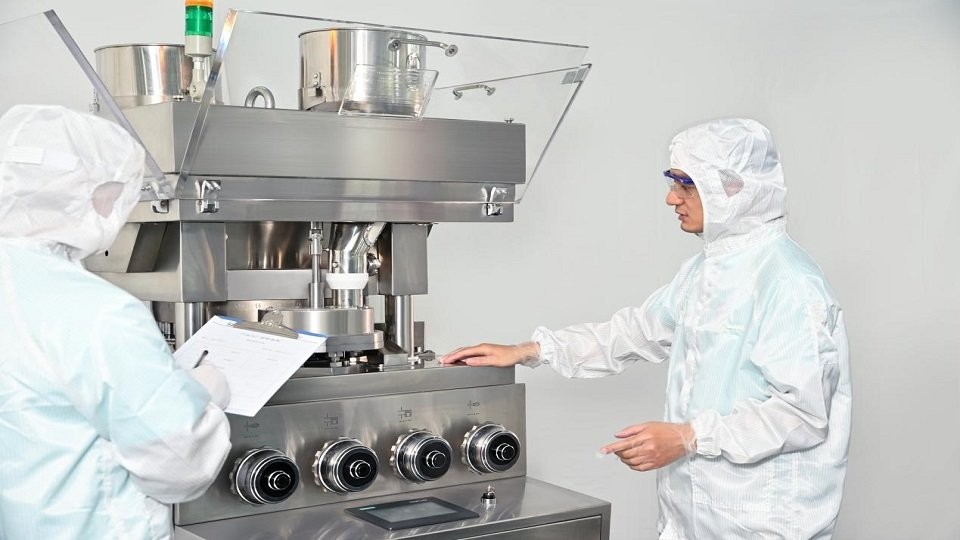
Pencegahan bintik hitam bukan sahaja berkaitan dengan reka bentuk mesin tetapi juga memerlukan prosedur pembersihan dan penyelenggaraan yang ketat mengikut keperluan GMP. Menurut keperluan Amalan Pembuatan Baik (GMP), peralatan pengeluaran yang bersentuhan langsung dengan bahan farmaseutikal mesti dibersihkan dengan betul dan diperiksa untuk mengelakkan pencemaran dan pencemaran silang antara batch yang berbeza.
Untuk memenuhi keperluan ini, mesin pencetak tablet Rich Packing mengguna pakai reka bentuk higienik yang mematuhi GMP. Seluruh perumahan mesin diperbuat daripada keluli tahan karat, memberikan permukaan yang licin, tahan lama, dan kalis kakisan yang lebih mudah dibersihkan dan diselenggara. Bagi semua bahagian yang bersentuhan dengan produk, mesin ini menghapuskan penggunaan lapisan cat dan proses elektrolisasi, mengelakkan pencemaran berpotensi akibat pengelupasan lapisan, sisa kimia, atau kemerosotan permukaan semasa operasi jangka panjang.
Ruang pemampatan ditutup dengan kaca organik lutsinar, mewujudkan persekitaran pengeluaran yang terasing sambil membolehkan pengendali memantau proses pemampatan dengan jelas. Struktur tertutup ini secara berkesan mengurangkan kemasukan pencemar luar dan mengelakkan kebocoran serbuk.
Selain itu, semua komponen dalaman yang bersentuhan dengan bahan direka untuk memenuhi keperluan tidak beracun, tiada bau, dan tahan kakisan. Ini bukan sahaja memastikan keselamatan produk tetapi juga mengurangkan kemungkinan karat, pencemaran kimia, atau zarah asing bercampur dengan tablet dan menyebabkan bintik hitam.
Bintik hitam pada tablet boleh berpunca daripada faktor berkaitan bahan dan faktor berkaitan mesin pemampatan tablet. Bahan sensitif haba dan formulasi tinggi gula mungkin lebih mudah mengalami karbonisasi semasa pemampatan, manakala isu peralatan seperti karat, pencemaran pelincir, kehausan komponen, pengumpulan habuk, dan pembersihan yang tidak mencukupi juga boleh menyumbang kepada bintik hitam pada tablet.
Walaupun beberapa faktor, seperti sifat intrinsik bahan, tidak boleh dihapuskan sepenuhnya, kesannya boleh diminimumkan melalui reka bentuk mesin yang pintar dan penyelenggaraan yang betul. Dilengkapi dengan komponen tahan kakisan, sistem pelinciran pintar, sistem pengumpulan habuk canggih, dan struktur higienik mematuhi GMP, mesin pencetak tablet dari Rich Packing mengurangkan pencemaran tablet dengan berkesan, seterusnya meningkatkan kualiti produk dan mencapai operasi jangka panjang yang lebih boleh dipercayai.
Pengendalian dan Penyelenggaraan Mesin Pencetak Tablet Rich Packing
5.Soalan Lazim
S1. Apakah punca bintik hitam pada tablet?
Bintik hitam pada tablet boleh berasal daripada bahan dan mesin pencetak tablet. Punca berkaitan mesin yang biasa termasuk peralatan tablet berkarat, pencemaran pelincir, komponen mesin haus, pengeluaran habuk yang tidak berkesan, pembersihan yang tidak mencukupi, dan haba berlebihan yang dihasilkan semasa pemampatan tablet. Faktor berkaitan bahan, seperti bahan sensitif haba atau eksipien tinggi gula, juga boleh mengalami karbonisasi semasa pemampatan dan menghasilkan bintik hitam.
S2. Bagaimana sistem feeder menyumbang kepada bintik hitam pada tablet?
Sistem pemakanan sering menjadi sumber pencemaran yang diabaikan. Bagi pemakanan paksa, pemutar dan pengikis yang berputar berterusan terdedah kepada kehausan jangka panjang. Jika komponen ini haus, zarah logam halus mungkin dilepaskan ke dalam serbuk dan tertanam dalam tablet, mengakibatkan bintik hitam yang kelihatan.
S3. Bolehkah pengeluaran habuk yang lemah menyebabkan pencemaran tablet?
Sudah tentu. Semasa pemampatan tablet, serbuk halus dihasilkan secara berterusan di sekitar pusingan meja, feeder, dan acuan. Tanpa pengeluaran habuk yang berkesan, serbuk terkumpul pada permukaan mesin, di mana ia boleh bercampur dengan pelincir, zarah logam, atau menjadi karbonisasi akibat haba geseran. Pencemar ini boleh masuk semula ke kawasan pemampatan dan menghasilkan bintik hitam pada tablet siap.
S4. Bagaimana saya boleh mengelakkan pencemaran pelincir semasa pemampatan tablet?
Pencemaran pelincir boleh diminimumkan dengan menggunakan sistem pelinciran pintar dengan penghantaran minyak yang tepat, berjadual, dan dikawal. Sistem pulangan minyak bersepadu mengumpul lebihan pelincir sebelum ia mencapai kawasan pemampatan, manakala cincin minyak punch pilihan menyediakan penghalang tambahan untuk mengelakkan minyak bocor ke peralatan pencetak tablet.
S5. Bolehkah bintik hitam pada tablet dihapuskan sepenuhnya?
Tidak sepenuhnya. Beberapa faktor, seperti sifat bahan sensitif haba dan kehausan semula jadi komponen mesin dari masa ke masa, tidak dapat dielakkan sepenuhnya. Walau bagaimanapun, kesannya boleh diminimumkan dengan memilihmesin pemampatan tablet yang direka dengan baik dilengkapi dengan bahan tahan kakisan, sistem pelinciran pintar, sistem pengumpulan habuk yang berkesan, dan struktur higienik yang mematuhi GMP.

29+ years in pharmaceutical machinery, covering capsule filling, tablet pressing, blister packaging, tablet and capsule counting, cartoning, GMP production, and overseas machine service.

E-mel : manager@richpacking.cn
Building D, No. 226, Beishan Qiaotou Street, Haizhu District, Guangzhou City, Guangdong Province, China


 Rangkaian IPv6 disokong