






 Rumah
Rumah Produk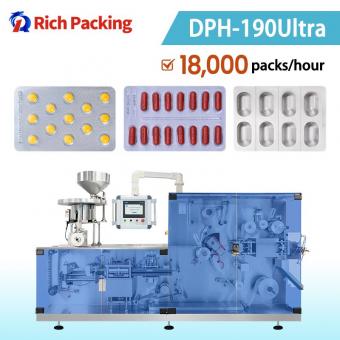
29+ years in pharmaceutical machinery, covering capsule filling, tablet pressing, blister packaging, tablet and capsule counting, cartoning, GMP production, and overseas machine service.

Barisan pembungkusan farmaseutikal ialah sistem pengeluaran bersepadu yang menghubungkan beberapa mesin untuk menyediakan ubat bagi penyimpanan, pengedaran dan penggunaan. Berbeza dengan mesin pembungkusan tunggal yang menjalankan satu operasi, barisan lengkap menghubungkan proses suapan, pembungkusan utama, pemeriksaan, pengekodan, pembungkusan sekunder dan keluaran akhir menjadi satu aliran kerja yang diselaraskan.
Dalam pembuatan farmaseutikal, pembungkusan melindungi produk, menyokong pengenalpastian yang betul, membantu mengekalkan kualiti dan mengurangkan pengendalian manual yang tidak diperlukan. Untuk tablet, kapsul, serbuk, cecair dan suplemen, barisan pembungkusan yang betul meningkatkan kestabilan pengeluaran sambil memastikan proses lebih mudah dikawal.
Barisan pembungkusan farmaseutikal yang direka bentuk dengan baik harus sepadan dengan ciri produk, kapasiti sasaran, ruang bengkel, keperluan kualiti dan tahap automasi.
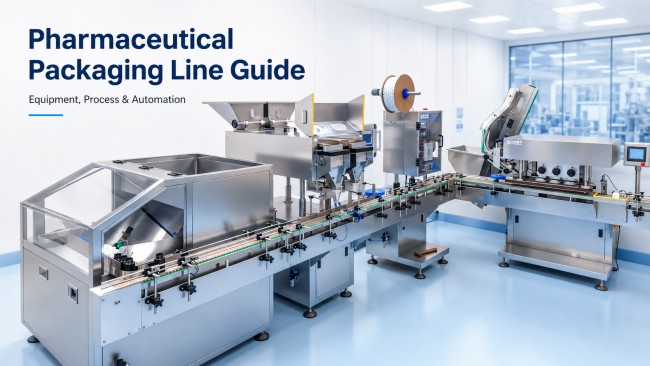
Barisan pembungkusan farmaseutikal ialah sistem mesin yang disambungkan untuk melengkapkan pelbagai operasi pembungkusan dalam proses berterusan.
Sebuah mesin pembungkusan farmaseutikal tunggal biasanya mengendalikan satu tugas, seperti mengira, mengisi, mengedap, melabel atau memasukkan ke dalam kotak. Barisan pembungkusan farmaseutikal menghubungkan tugas-tugas ini supaya produk boleh bergerak melalui proses dengan pemindahan manual yang lebih sedikit.
Aliran kerja ringkas boleh ditunjukkan seperti berikut:
Suapan Produk → Pembungkusan Utama → Pemeriksaan Proses dan Pengekodan → Pembungkusan Sekunder dan Pemeriksaan Akhir → Keluaran Produk Siap
Konfigurasi tepat bergantung pada bentuk dos dan format pembungkusan. Produk tablet dan kapsul boleh masuk ke sistem pengiraan atau mesin pembungkusan lepuh. Produk serbuk dan granul memerlukan peralatan pendosaan dan pengedapan, manakala produk cecair dan separa pepejal memerlukan sistem pengisian, pengedapan dan pengendalian bekas.
Tujuan barisan pembungkusan farmaseutikal bukan sahaja kelajuan yang lebih tinggi. Barisan yang baik meningkatkan penyelarasan antara mesin, memastikan pergerakan produk terkawal, mengurangkan pemberhentian dan membantu pengilang mengekalkan kualiti pembungkusan yang konsisten.
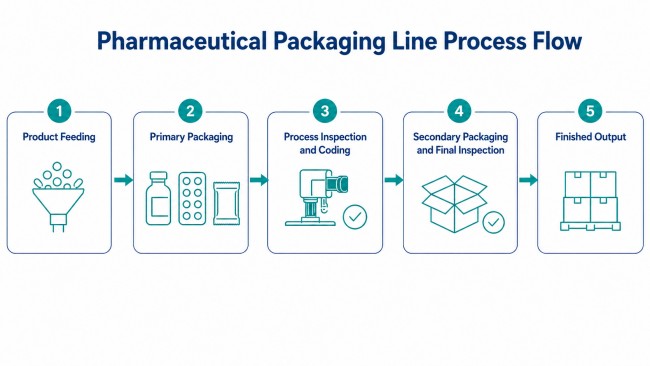
Barisan pembungkusan farmaseutikal lengkap dibina daripada beberapa unit berfungsi. Bahagian utama ialah suapan produk, pembungkusan utama dan pembungkusan sekunder hiliran dengan pemeriksaan akhir serta pengekodan. Konfigurasi terbaik bergantung pada bentuk produk, jenis pembungkusan, keluaran sasaran, susun atur kilang dan tahap automasi.
Matlamat reka bentuk adalah mudah: setiap mesin harus sepadan dengan kelajuan dan fungsi mesin seterusnya, supaya keseluruhan barisan berjalan sebagai sistem pengeluaran yang seimbang.
Sistem suapan ialah titik permulaan barisan pembungkusan. Ia memindahkan produk atau bekas daripada pengeluaran huluan, penyimpanan atau titik pemuatan manual ke dalam peralatan pembungkusan.
Untuk tablet dan kapsul, suapan yang stabil membantu mesin pengiraan dan mesin pembungkusan lepuh berjalan tanpa gangguan yang kerap. Untuk serbuk dan granul, aliran bahan yang seragam adalah penting kerana suapan yang tidak stabil secara langsung menjejaskan ketepatan pendosaan. Untuk botol, bahagian suapan biasanya merangkumi penyusun semula botol, penghantar botol dan penentududukan botol.
Penyelesaian suapan biasa termasuk:
● Penyusun semula botol dan penghantar untuk barisan pembungkusan botol
● Trek bergetar atau penyuap berus untuk barisan pembungkusan lepuh
● Saluran produk untuk tablet, kapsul atau produk berbentuk khas
● Sistem suapan serbuk untuk peralatan paket uncang dan paket batang
Sistem suapan yang boleh dipercayai mengurangkan pemberhentian barisan dan memberikan asas yang stabil kepada peringkat pembungkusan seterusnya.
Pembungkusan utama ialah peringkat apabila ubat menerima pembungkusan perlindungan langsungnya. Peringkat ini mempengaruhi jangka hayat, perlindungan kelembapan, pengasingan dos dan kemudahan pengguna.
Peralatan pembungkusan utama bukan satu jenis mesin sahaja. Ia merupakan kumpulan mesin yang dipilih mengikut bentuk produk dan kaedah pembungkusan.
Bagi produk dos oral pepejal, dua laluan pembungkusan utama yang biasa ialah pembungkusan lepuh dan pembungkusan botol.
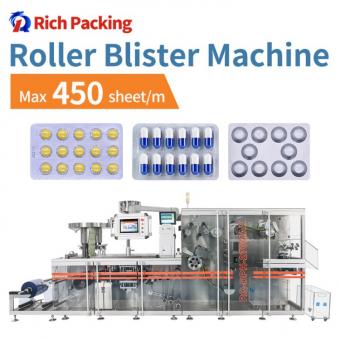
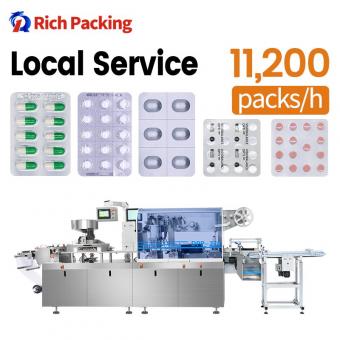
Mesin pembungkusan lepuh digunakan secara meluas untuk tablet dan kapsul yang memerlukan pembungkusan dos unit. Proses lepuh biasa merangkumi:
● Membentuk rongga lepuh
● Memasukkan tablet atau kapsul
● Penyegelan dengan kerajang aluminium
● Pengekodan atau timbulkan maklumat kelompok dan tarikh
● Memotong pek lepuh siap
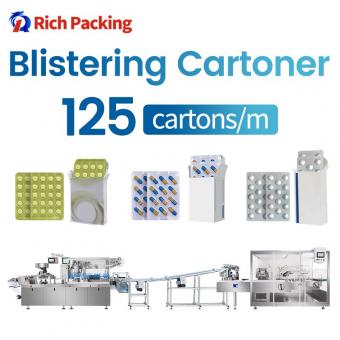
Pembungkusan lepuh menyediakan pengasingan dos yang jelas dan perlindungan produk. Dalam talian automatik, mesin lepuh sering disambungkan dengan sistem pemeriksaan dalam talian dan mesin pengkartonan.
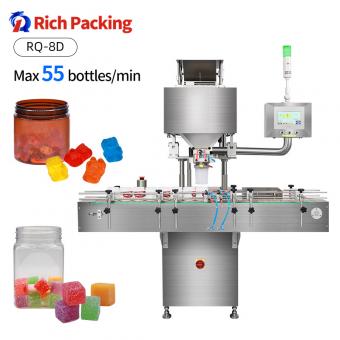
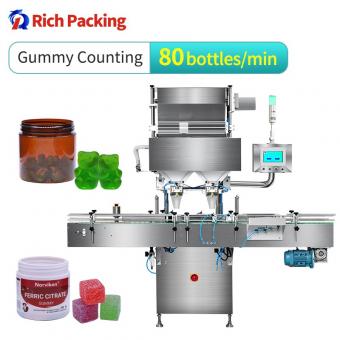
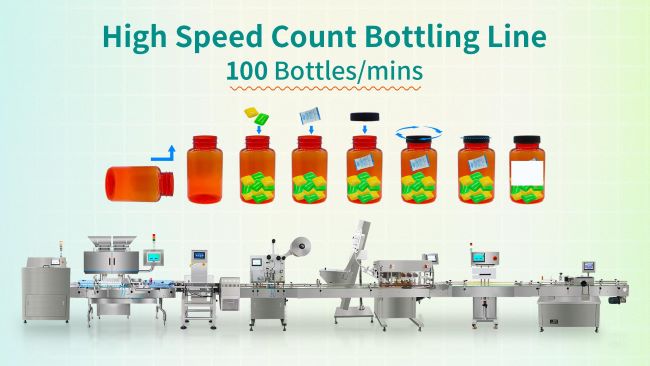
Sebuah talian pembungkusan botol tablet dan kapsul digunakan secara meluas untuk tablet, kapsul, softgel, gula-gula kenyal, dan produk pemakanan. Talian botol biasa boleh merangkumi:
● Mesin penyusun botol
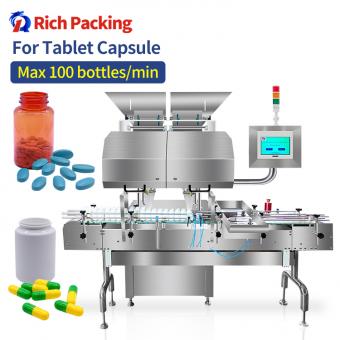
● Mesin pengira tablet atau kapsul
● Penimbang semak dalam talian
● Pemasang kapas atau bahan pengering apabila diperlukan
● Mesin penutup botol
● Mesin penyegelan aruhan
● Mesin pelabelan
Ketepatan pengiraan ialah titik kawalan kualiti utama dalam talian botol. Mesin pengira automatik membantu mengekalkan kuantiti yang konsisten, manakala penimbang semak dalam talian boleh menolak botol dengan tahap isian yang tidak betul. Pembungkusan botol juga fleksibel untuk saiz botol dan spesifikasi kiraan yang berbeza.
Produk serbuk dan granul biasanya dibungkus menggunakan mesin pembungkusan sachet atau mesin pembungkusan pek batang. Proses biasa merangkumi pembukaan gulungan filem, pembentukan beg, penyukatan dos, pengisian, penyegelan haba, pemotongan, dan pengeluaran pek siap.
Pembungkusan serbuk memerlukan perhatian terhadap aliran bahan, ketepatan pengisian, kawalan habuk, sisa di kawasan penyegelan, dan kepekaan terhadap kelembapan. Sesetengah serbuk menyerap kelembapan atau membentuk jambatan semasa proses pemasukan. Untuk serbuk yang sukar dikendalikan, talian boleh menggunakan pengadukan, pencegahan pembentukan jambatan, atau pemasukan berbantu getaran untuk memastikan proses pengisian stabil.
Selepas pembungkusan utama, produk bergerak ke pembungkusan hiliran. Bahagian ini mengendalikan pembungkusan luar, pengekodan kebolehkesanan, pemeriksaan rupa akhir, dan persediaan penghantaran.
Peralatan hiliran yang biasa termasuk:
·Sistem pemeriksaan penglihatan
·Peranti penolakan automatik
·Mesin pengkartonan
·Unit lipatan dan pemasukan risalah
·Sistem pengekodan pancutan dakwat, laser, atau pemindahan haba
·Peralatan pembungkusan balutan, pembungkusan kotak, atau penyusunan palet
Pemeriksaan akhir memberi tumpuan kepada rupa dan kelengkapan pembungkusan siap. Ia boleh memeriksa pek lepuh yang rosak, penutup yang senget, label berkedut, cetakan karton yang tidak jelas, risalah yang hilang, atau penutupan karton yang tidak sempurna.
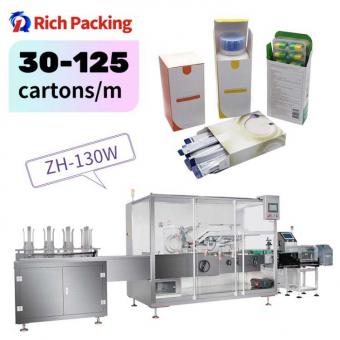
Mesin pengkartonan meletakkan pek lepuh, botol, sachet, atau pek batang ke dalam karton. Ia juga boleh melengkapkan pembukaan karton, pemasukan risalah, penutupan karton, dan pengekodan karton. Banyak mesin pengkartonan automatik merangkumi pemeriksaan untuk pemasukan risalah, status pembukaan karton, dan status penutupan karton.
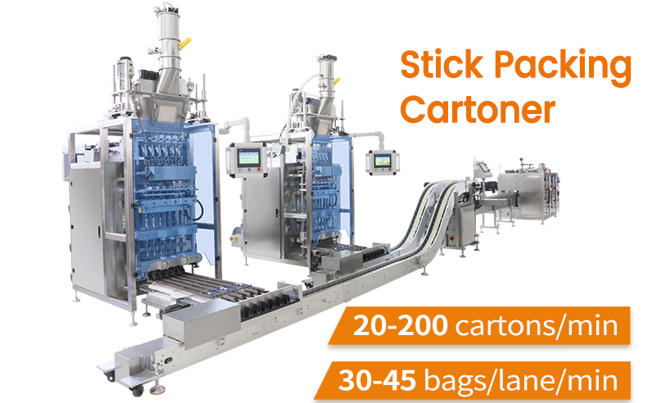
Lini Pembungkusan Tongkat Pembungkusan Kaya dan Pengkartonan
Lini pembungkusan farmaseutikal berfungsi dengan menyambungkan mesin yang berbeza ke dalam aliran kerja berterusan:
Pemasukan Produk → Pembungkusan Utama → Pemeriksaan Proses dan Pengekodan → Pembungkusan Sekunder dan Pemeriksaan Akhir → Output Siap
Pertama, produk atau bekas memasuki sistem pemasukan. Pemasukan yang stabil adalah penting kerana gangguan pada peringkat ini boleh menjejaskan keseluruhan lini.
Seterusnya, produk memasuki pembungkusan utama. Tablet dan kapsul dikira ke dalam botol atau dimeterai dalam pek lepuh. Serbuk dan granul diisi ke dalam uncang atau pek batang. Cecair dan produk separa pepejal diisi ke dalam bekas yang sesuai dan dimeterai.
Semasa atau selepas pembungkusan utama, pemeriksaan proses dan pengekodan diselesaikan mengikut reka bentuk lini. Sebagai contoh, lini botol boleh menggunakan penimbangan semakan selepas pengiraan, manakala lini lepuh boleh mencetak atau timbulkan maklumat pada kerajang lepuh sebelum pemotongan.
Selepas itu, produk memasuki pembungkusan sekunder. Mesin pengkartonan meletakkan bungkusan utama ke dalam karton, memasukkan risalah, menutup karton, dan menyokong pengekodan karton.
Pemeriksaan akhir menyemak rupa, pengekodan, keadaan karton, dan kelengkapan pembungkusan sebelum produk bergerak ke pembalutan luar, pembungkusan kotak, penyusunan palet, atau penyimpanan produk siap.
Automasi adalah penting dalam pembungkusan farmaseutikal kerana pengilang memerlukan kecekapan lebih tinggi sambil mengekalkan kawalan kualiti yang ketat. Lini pembungkusan farmaseutikal automatik membantu meningkatkan keseragaman, mengurangkan pengendalian manual, dan menjadikan proses lebih mudah dipantau.
Lini pembungkusan automatik boleh:
● Mengurangkan pemindahan manual
● Mengekalkan pergerakan bahan secara berterusan
● Mengurangkan masa henti antara proses
● Meningkatkan penggunaan peralatan
Apabila mesin disambungkan dengan betul, keseluruhan lini berfungsi lebih baik berbanding mesin berasingan yang beroperasi secara bebas.
Ketepatan adalah kritikal dalam pembungkusan farmaseutikal. Peralatan automatik membantu mengawal pengiraan, pengisian, pemeteraian, pengekodan, dan pemeriksaan.
Sebagai contoh, sistem pengiraan automatik meningkatkan ketepatan kuantiti dalam pembungkusan botol. Mesin pembungkusan lepuh mengekalkan pembentukan dan pemeteraian yang stabil. Mesin uncang dan pek batang mengawal isipadu pengisian serta kualiti pemeteraian.
Kualiti pembungkusan yang konsisten membantu mengurangkan variasi antara kelompok.
Pengeluaran farmaseutikal memerlukan proses yang terkawal dan boleh diulang. Lini pembungkusan automatik menyokong perkara ini dengan meningkatkan kestabilan proses, keupayaan pemeriksaan, konsistensi pengeluaran, pengurusan dokumentasi, dan penolakan produk yang tidak mematuhi piawaian.
Sistem pemantauan dan pemeriksaan bersepadu membantu pengilang mengenal pasti masalah lebih awal dan mengawal kualiti produk siap.
Lini pembungkusan farmaseutikal yang fleksibel boleh menyokong jenis produk, format pembungkusan, dan jumlah pengeluaran yang berbeza. Parameter boleh laras, peralatan modular, dan pertukaran yang lebih pantas membantu pengilang bertindak balas terhadap pelan pengeluaran yang berbeza.
Lini pembungkusan farmaseutikal harus direka bentuk mengikut ciri produk, format pembungkusan, dan keperluan pengeluaran.
|
Jenis Produk |
Format Pembungkusan Biasa |
Peralatan Utama |
Titik Kawalan Utama |
|
Tablet |
Botol atau pek lepuh |
Mesin pengiraan tablet, mesin pembungkusan lepuh, mesin pengkartonan |
Ketepatan pengiraan dan kualiti pengedapan |
|
Kapsul |
Botol atau pek lepuh |
Peralatan pengiraan kapsul, mesin lepuh, mesin pembungkusan karton |
Ketepatan pengiraan dan kualiti pengedapan |
|
Serbuk dan granul |
Sachet atau pek jalur |
Sistem pendosaan, mesin pembungkusan sachet, sistem pengedapan |
Ketepatan pengisian dan kawalan habuk |
Barisan pembungkusan tablet direka untuk produk dos oral pepejal. Konfigurasi biasa boleh merangkumi sistem suapan tablet, mesin pengiraan tablet, mesin pembungkusan lepuh, sistem pemeriksaan, peralatan pelabelan, dan mesin pembungkusan karton.
Penyelesaian akhir bergantung pada sama ada tablet dibungkus dalam botol, pek lepuh, atau format lain.
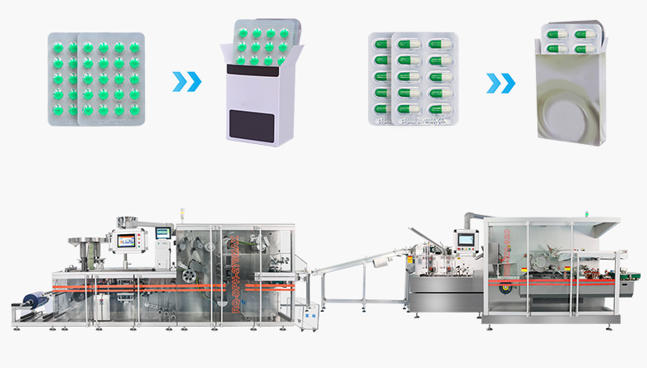 Barisan karton lepuh Kelajuan Tinggi Rich Packing
Barisan pembungkusan kapsul memerlukan pengendalian yang tepat kerana saiz kapsul, bahan, dan keperluan pengisian boleh berbeza. Penyelesaian biasa boleh merangkumi sistem suapan kapsul, mesin pengiraan kapsul, mesin pembungkusan lepuh, sistem pemeriksaan, peralatan pelabelan, dan mesin pembungkusan karton.
Penyelesaian pembungkusan kapsul bersepadu membantu mengekalkan keseragaman produk daripada pengeluaran hingga pembungkusan siap.
Produk serbuk memerlukan penyelesaian pembungkusan khusus kerana serbuk yang berbeza mempunyai ciri aliran yang berbeza. Barisan pembungkusan serbuk boleh merangkumi sistem suapan serbuk, peralatan pendosaan, mesin pembungkusan sachet, sistem pengedapan, dan peralatan pemeriksaan.
Pengisian yang tepat dan pengedapan yang boleh dipercayai adalah penting untuk mengekalkan kualiti produk.
Pemilihan barisan pembungkusan farmaseutikal memerlukan lebih daripada sekadar memilih mesin individu. Pengilang perlu menilai bagaimana sistem lengkap sepadan dengan produk, matlamat pengeluaran, dan keperluan masa hadapan mereka.
Produk itu sendiri menentukan pendekatan pembungkusan yang paling sesuai. Faktor penting termasuk:
● Jenis produk
● Saiz tablet atau kapsul
● Sifat aliran serbuk
● Kepekaan terhadap kelembapan
● Keperluan perlindungan produk
Memahami ciri-ciri produk membantu pengilang memilih peralatan pengisian, pembungkusan, dan pemeriksaan yang sesuai.
Format pembungkusan yang berbeza memerlukan penyelesaian yang berbeza. Format biasa termasuk pembungkusan lepuh, pembungkusan botol, pembungkusan sachet, dan pembungkusan pek jalur. Format yang dipilih secara langsung mempengaruhi reka bentuk barisan pembungkusan.
Pengilang perlu mempertimbangkan keperluan pengeluaran semasa dan pengembangan masa hadapan. Faktor penting termasuk:
● Output yang diperlukan
● Jadual pengeluaran
●Kepelbagaian produk
● Pelan pertumbuhan masa hadapan
Memilih kapasiti yang tepat membantu mengelakkan had apabila permintaan meningkat.
Tahap automasi yang diperlukan bergantung pada jumlah pengeluaran, ketersediaan tenaga kerja, kepelbagaian produk, dan pelan pelaburan.
Sesetengah pengeluar memerlukan barisan pembungkusan farmaseutikal yang diautomasi sepenuhnya, manakala yang lain mengautomasikan proses individu secara berperingkat.
Peralatan pembungkusan farmaseutikal mesti menyokong piawaian kualiti yang ketat. Pengeluar perlu mempertimbangkan keperluan GMP, pengesahan peralatan, prosedur pemeriksaan, dan dokumentasi pengeluaran.
Barisan pembungkusan yang direka bentuk dengan baik membantu meningkatkan kebolehpercayaan pengeluaran dan pengurusan kualiti.
Barisan pembungkusan farmaseutikal ialah sistem bersepadu mesin yang melengkapkan proses penyusuan, pembungkusan primer, pemeriksaan, pengekodan, pembungkusan sekunder, dan output akhir.
Ia boleh merangkumi sistem penyusuan, mesin pengisian, mesin pengira tablet atau kapsul, mesin pembungkusan lepuh, peralatan pembungkusan botol, sistem pemeriksaan, mesin pelabelan, mesin pengkartonan, dan peralatan pembungkusan hiliran.
Mesin pembungkusan menjalankan satu operasi khusus, manakala barisan pembungkusan menghubungkan pelbagai mesin untuk melengkapkan keseluruhan proses pembungkusan.
Barisan pembungkusan automatik meningkatkan kecekapan, ketepatan pembungkusan, kawalan kualiti, dan konsistensi pengeluaran sambil mengurangkan kesilapan manual serta pengendalian produk yang tidak diperlukan.
Barisan pembungkusan farmaseutikal bukan sekadar gabungan mesin individu. Ia merupakan penyelesaian pengeluaran bersepadu yang menghubungkan pelbagai peringkat pembungkusan ke dalam aliran kerja yang terkawal dan cekap.
Daripada penyusuan produk dan pembungkusan primer kepada pemeriksaan, pengekodan, pengkartonan, dan pembungkusan akhir, setiap peringkat mempengaruhi kualiti pembungkusan akhir. Memilih gabungan peralatan yang tepat membantu pengeluar meningkatkan kecekapan, mengekalkan konsistensi, dan memenuhi keperluan pengeluaran farmaseutikal.
Dengan lebih daripada 29 tahun pengalaman dalam pembuatan mesin farmaseutikal dan pembungkusan, Rich Packing menyediakan penyelesaian pembungkusan bersepadu untuk pelanggan di seluruh dunia. Syarikat ini menyokong pelbagai aplikasi, termasuk keperluan pembungkusan tablet, kapsul, serbuk, dan farmaseutikal lain, membantu pengeluar membina sistem pengeluaran yang boleh dipercayai dan cekap.
1.Peraturan Persekutuan Elektronik, 21 CFR Bahagian 211 Subbahagian G, Kawalan Pembungkusan dan Pelabelan.
2.Pentadbiran Makanan dan Ubat-Ubatan A.S., Pengesahan Proses: Prinsip dan Amalan Umum.
3.Pertubuhan Kesihatan Sedunia, Amalan Pengilangan Baik untuk Produk Farmaseutikal.

29+ years in pharmaceutical machinery, covering capsule filling, tablet pressing, blister packaging, tablet and capsule counting, cartoning, GMP production, and overseas machine service.

E-mel : manager@richpacking.cn
Building D, No. 226, Beishan Qiaotou Street, Haizhu District, Guangzhou City, Guangdong Province, China


 Rangkaian IPv6 disokong