






 Rumah
Rumah Produk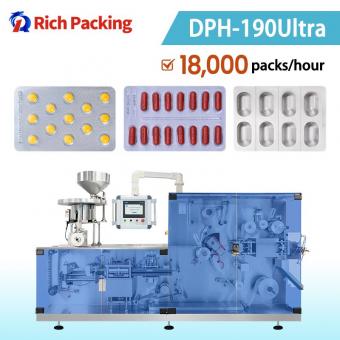
29+ years in pharmaceutical machinery, covering capsule filling, tablet pressing, blister packaging, tablet and capsule counting, cartoning, GMP production, and overseas machine service.

Pembungkusan bukti gangguan memberikan produk ubat, OTC, suplemen dan nutraseutikal satu tanda jelas apabila sesuatu pek telah dibuka, rosak atau diganggu sebelum digunakan. Ciri ini boleh terletak pada mulut botol, leher botol, rongga blister, pengedap pouch, flap karton atau permukaan label. Meterai kerajang di bawah penutup botol ialah satu contoh yang biasa, tetapi ia hanyalah satu bahagian daripada strategi pembungkusan yang lebih luas.
Bagi pembeli, pilihan bukan sahaja tentang menambah meterai. Bentuk produk, bahan bekas, reka bentuk penutup, kaedah pengedapan, kedudukan label, kelajuan barisan, dan tetapan pemeriksaan semuanya mempengaruhi sama ada ciri ini masih berfungsi selepas pengisian, pembungkusan, penghantaran dan pengendalian runcit. Reka bentuk yang kukuh harus menunjukkan bukaan pertama dengan jelas tanpa menghalang nama produk, kekuatan, nombor kelompok, tarikh luput, kod bar, atau arahan dos.
Tumpuan di sini ialah ubat, produk OTC, suplemen dan produk nutraseutikal yang dibungkus dalam botol, blister, pouch, karton atau bekas berlabel.

Pembungkusan bukti gangguan ialah pembungkusan yang direka untuk menunjukkan bukti yang jelas selepas kemungkinan pembukaan atau gangguan. Tugas utamanya bukan untuk menjadikan pek mustahil dibuka. Tugasnya ialah untuk menjadikan pembukaan itu jelas.
Meterai kerajang botol menunjukkan perkara ini dengan baik. Apabila meterai masih utuh, pengguna boleh melihat bahawa mulut botol belum dibuka. Setelah meterai ditanggalkan, ditebuk atau koyak, pek tidak lagi kelihatan tidak terusik. Jalur susut berfungsi dengan cara yang sama di sekeliling penutup atau kawasan leher. Pek blister menunjukkan pembukaan apabila kerajang penutup ditolak melalui. Meterai karton atau label keselamatan jenis kosong menunjukkan gangguan apabila ia koyak, meninggalkan kesan, atau tidak boleh dipasang semula dengan kemas.
Ini berbeza daripada pembungkusan kalis kanak-kanak. Penutup kalis kanak-kanak direka untuk menyukarkan pembukaan oleh kanak-kanak kecil. Ciri bukti gangguan direka untuk menunjukkan sama ada pek telah dibuka atau diubah. Satu produk boleh menggunakan kedua-duanya, seperti botol ubat dengan penutup tekan dan pusing serta meterai kerajang aruhan.
Istilah pembungkusan tahan gangguan adalah berkaitan, tetapi fokus praktikalnya berbeza. Tahan gangguan biasanya merujuk kepada reka bentuk pek yang menjadikan gangguan lebih sukar atau lebih terkawal. Bukti gangguan menumpukan pada bukti yang ditinggalkan selepas gangguan. Peraturan FDA untuk produk ubat manusia OTC tertentu mentakrifkan pembungkusan bukti gangguan sebagai satu pakej dengan penunjuk atau penghalang kemasukan yang boleh memberikan bukti jelas kepada pengguna jika gangguan telah berlaku.
Ciri yang baik juga perlu bertahan dalam pengeluaran dan pengedaran biasa. Jika meterai kerajang melekat tidak sekata, jalur susut berubah kedudukan, atau label keselamatan menutup maklumat kelompok, pek mungkin mewujudkan kekeliruan dan bukannya kejelasan.
Produk ubat dan suplemen sering melalui beberapa tangan sebelum sampai kepada pengguna. Pek boleh bergerak dari pengeluaran ke storan, pengendalian eksport, pengedaran, rak farmasi, klinik, kedai runcit atau penghantaran e-dagang. Sepanjang laluan itu, pembungkusan masih harus menunjukkan sama ada ia kelihatan tidak terusik.
Bukti pembukaan pertama ialah manfaat yang paling langsung. Meterai kerajang yang utuh, jalur susut yang tidak pecah, rongga blister yang dimeterai, atau label karton yang tidak rosak memberikan isyarat visual mudah kepada pengguna sebelum digunakan. Ia juga menyokong integriti produk kerana tablet, kapsul, gula-gula getah, serbuk dan cecair mungkin sensitif terhadap kelembapan, kebocoran, pencemaran atau kerosakan pengendalian.
Ciri keselamatan juga boleh menyokong kerja anti-pemalsuan dan kebolehkesanan. Ia harus berfungsi bersama kod serialisasi, kod bar, cetakan kelompok dan reka bentuk label, bukan menutupnya. Garis panduan TGA juga menganggap pembungkusan bukti gangguan sebagai cara untuk membantu pengguna mengenal pasti kemungkinan gangguan sebelum pembelian atau penggunaan.
Format yang sesuai bergantung pada produk, bekas, laluan pasaran dan barisan pembungkusan. Kebanyakan pembeli farmaseutikal dan suplemen membandingkan tujuh jenis berikut.
|
Jenis |
Bagaimana ia menunjukkan pembukaan |
Produk biasa |
Sambungan peralatan |
|
Meterai aruhan / meterai kerajang |
Meterai ditanggalkan, ditebuk atau rosak |
Tablet, kapsul, gula-gula getah, cecair |
Mesin penutup botol, mesin pengedap aruhan |
|
Jalur susut |
Jalur koyak sebelum penutup dibuka |
Botol OTC, botol suplemen, balang |
Mesin pelabelan lengan susut / jalur leher + terowong haba susut |
|
Penutup bukti gangguan |
Cincin, jambatan atau jalur koyak pecah |
Cecair, tablet, kapsul |
Mesin penutup botol |
|
Pek blister |
Kerajang atau rongga pecah |
Tablet, kapsul |
|
|
Pek jalur / pouch tertutup |
Pengedap atau filem koyak |
Serbuk, granul, produk dos unit |
Mesin pembungkusan sachet atau mesin pembungkusan jalur |
|
Karton bukti gangguan |
Pengedap, flap gam atau jalur koyak pecah |
Pek ubat runcit, kit |
|
|
Label keselamatan |
Label koyak atau meninggalkan tanda jelas |
Botol, karton, kit |
Mesin pelabelan |
Meterai aruhan digunakan secara meluas untuk botol ubat, botol suplemen, botol gula-gula getah, botol serbuk dan beberapa produk cecair. Kerajang meterai terletak di atas mulut botol di bawah penutup. Selepas pengguna menanggalkan atau menebuknya, botol tidak lagi kelihatan belum dibuka.
Jenis ini bergantung bukan sahaja pada kerajang itu sendiri. Bahan botol, pelapik penutup, tork penutup, kelajuan konveyor dan kuasa aruhan semuanya mempengaruhi ikatan akhir. Pembeli harus menyemak keserasian botol, jenis penutup, struktur pelapik kerajang, tork penutupan dan pengesahan pengedapan sebelum memuktamadkan barisan.
Jalur susut membalut di sekeliling penutup, leher botol atau kawasan bahu atas. Pengguna biasanya perlu mengoyak atau memecahkan jalur sebelum membuka botol, jadi bukti ini mudah dilihat di rak.
Jalur susut tidak secara automatik membuktikan mulut botol dimeterai. Ia menunjukkan bahawa kawasan penutup kelihatan belum dibuka, tetapi ia tidak menggantikan meterai dalaman apabila perlindungan kelembapan, kawalan kebocoran atau perlindungan produk yang lebih kuat diperlukan.
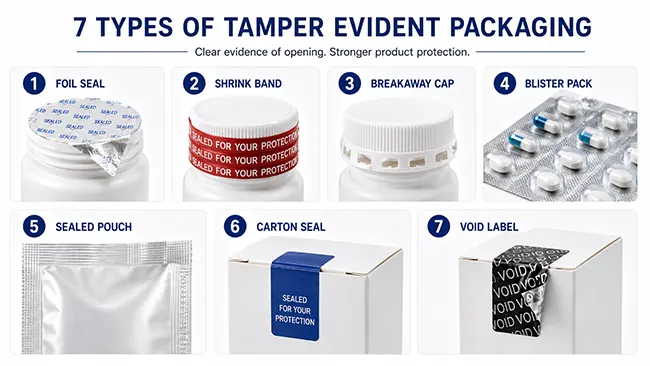
Penutup bukti gangguan menggunakan cincin patah, jalur koyak, jambatan atau ciri penutup yang berubah selepas pembukaan pertama. Setelah penutup dibuka, cincin atau jambatan akan pecah dan tidak boleh kembali ke keadaan asal.
Format ini biasa pada botol plastik, botol cecair dan beberapa pek botol dos pepejal. Ia boleh berfungsi dengan reka bentuk penutup kalis kanak-kanak, tetapi fungsinya perlu diperiksa secara berasingan. Tork penutupan yang rendah boleh menyebabkan penutup tidak terpasang dengan baik, manakala tork yang berlebihan boleh mengubah bentuk penutup atau menyukarkan pembukaan.
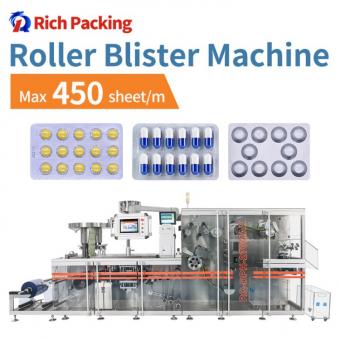
Pek blister ialah salah satu format bukti gangguan yang paling jelas untuk tablet dan kapsul. Setiap rongga memegang satu unit, dan kerajang penutup biasanya ditolak keluar atau dikupas sebelum digunakan. Setelah rongga dibuka, pek menunjukkan kerosakan yang jelas.
Kualiti blister bergantung pada kedalaman pembentukan, suhu pengedapan, tekanan pengedapan, bahan kerajang penutup dan ketepatan pemotongan. Mesin pembungkusan blister harus sepadan dengan struktur bahan dan saiz produk, bukan hanya kelajuan output sasaran.
Pek jalur, uncang tertutup, dan sachet bergantung pada pengedapan haba untuk mewujudkan integriti pakej yang jelas kelihatan. Ia digunakan untuk serbuk, granul, produk oral, suplemen dos tunggal, serta sesetengah tablet atau kapsul. Setelah pengedap itu koyak, dipotong, atau dikupas, pek tersebut tidak boleh kelihatan seperti belum dibuka semula.
Reka bentuk takuk koyakan, lebar pengedap, bahan filem, suhu pengedapan, dan kualiti pemotongan semuanya mempengaruhi hasilnya. Pengedap yang lemah boleh terbuka semasa pengangkutan. Pengedap yang terlalu kuat boleh menyusahkan pengguna atau menyebabkan koyakan yang tidak kemas.
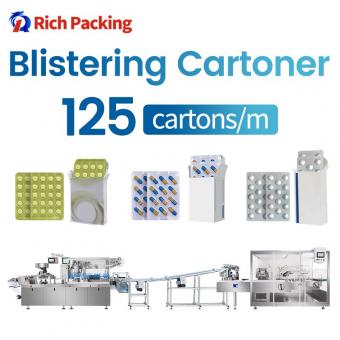
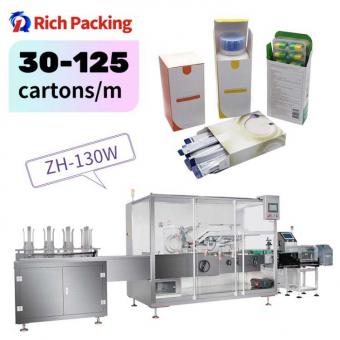
Karton ialah pembungkusan sekunder, tetapi ia penting dalam ubat runcit dan pek suplemen. Karton boleh menggunakan jalur koyak, pengedap karton, pita keselamatan, reka bentuk flap dilekat, atau ciri kalis gangguan berasaskan label.
Pengedap harus menjadikan proses pembukaan jelas tanpa menutup maklumat yang diperlukan. Nama produk, kekuatan, nombor kelompok, tarikh luput, kod bar, arahan dos, dan kod serialisasi mesti kekal boleh dibaca. Ketepatan proses karton mempengaruhi penutupan flap, kesegian kotak, dan kedudukan label.
Label keselamatan digunakan pada botol, karton, kit, kotak luar, dan produk penjagaan kesihatan bernilai tinggi. Pilihan biasa termasuk label mudah rosak (void), label boleh musnah, pita keselamatan, dan label yang meninggalkan kesan jelas selepas ditanggalkan.
Label ini paling berkesan apabila ia melintasi titik pembukaan sebenar. Jika label diletakkan terlalu jauh daripada titik akses, pek mungkin boleh dibuka tanpa merosakkannya. Penempatan label juga perlu sesuai dengan permukaan, terutamanya pada botol melengkung dan flap karton.
Istilah ini sering digunakan bersama, tetapi pembeli harus membezakan fungsinya.
|
Istilah |
Tujuan utama |
Contoh biasa |
|
Pembungkusan kalis gangguan |
Menunjukkan bukti jelas selepas pembukaan atau gangguan |
Meterai foil, jalur pengecut pecah, label kosong |
|
Pembungkusan tahan gangguan |
Menjadikan gangguan lebih sukar atau lebih terkawal |
Karton tertutup, sistem penutupan terlindung |
|
Pembungkusan kalis kanak-kanak |
Menjadikan pembukaan lebih sukar untuk kanak-kanak kecil |
Penutup tekan dan pusing |
Satu produk boleh menggabungkan lebih daripada satu fungsi. Sebotol mungkin menggunakan penutup kalis kanak-kanak, pengedap kerajang induksi, dan label karton. Penutup mengawal akses, pengedap kerajang menunjukkan pembukaan mulut botol, dan label menunjukkan pembukaan karton.
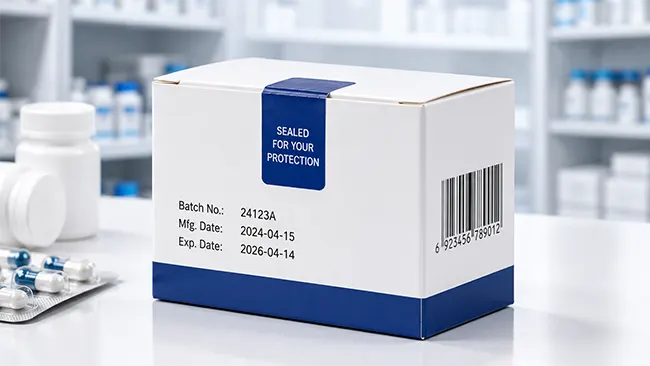
Sampel bahan mungkin kelihatan sesuai semasa pemilihan awal, tetapi keadaan pengeluaran menentukan sama ada ciri tersebut kekal konsisten. Tork penutupan mempengaruhi sentuhan antara penutup dan pelapik pada mulut botol. Tetapan pengedapan induksi mempengaruhi ikatan kerajang. Tekanan dan suhu pengedapan blister mempengaruhi integriti rongga. Suhu pengedapan pouch mempengaruhi kekuatan pengedapan. Kestabilan karton mempengaruhi penutupan flap dan kedudukan pengedap karton. Ketepatan pelabelan mempengaruhi sama ada label keselamatan berada pada titik pembukaan yang betul.
Pemeriksaan juga penting. Penimbang semak boleh menolak pek yang hilang atau tidak lengkap apabila perbezaan berat dapat dikesan. Pemeriksaan penglihatan boleh membantu mengesan label yang hilang, kedudukan label yang salah, pengedap yang rosak, atau penutupan yang tidak lengkap.
Bagi pembeli farmaseutikal dan suplemen, reka bentuk pembungkusan dan pemilihan peralatan harus dinilai bersama. Rich Packing menyokong perancangan talian botol, blister, pelabelan, dan karton dengan dokumen teknikal, panduan pemasangan, latihan operator, dan sokongan video jarak jauh, membantu pembeli menyemak format pek dan konfigurasi talian sebelum pengeluaran bermula.
Semak dahulu format produk. Tablet, kapsul, gula-gula getah, serbuk, granul, dan cecair mempunyai keperluan berbeza untuk perlindungan kelembapan, kaedah pembukaan, kawalan kebocoran, dan persembahan dos.
Seterusnya, tentukan di mana bukti visual harus muncul. Meterai botol, rongga blister, atau meterai pouch melindungipembungkusan utama. Pengedap karton atau label keselamatan melindungi pembungkusan sekunder.
Keserasian bahan juga penting. Bahan botol, jenis penutup, pelapik kerajang, filem blister, kerajang penutup, papan karton, dan pelekat label perlu diuji bersama. Ketidakpadanan boleh menyebabkan pengedap lemah, label terangkat, atau pengalaman pembukaan yang buruk.
Kelajuan talian perlu diperiksa dengan format pek sebenar. Pembeli juga perlu merancang kaedah pemeriksaan, termasuk pemeriksaan visual, penimbangan semak, pemeriksaan label, dan pengendalian penolakan.
Semakan akhir ialah kebolehbacaan. Label kalis gangguan, jalur pengecut, dan pengedap karton tidak seharusnya menghalang nombor kelompok, tarikh luput, kod bar, maklumat dos, atau amaran yang diperlukan.
Pembungkusan kalis gangguan bukan satu bahan atau satu jenis pengedap sahaja. Produk farmaseutikal, OTC, suplemen, dan nutraseutikal mungkin menggunakan pengedap kerajang induksi botol, jalur pengecut, penutup boleh pecah, pek blister, pek jalur, uncang tertutup, karton kalis gangguan, dan label keselamatan.
Pilihan terbaik bergantung pada produk, bekas, laluan pasaran, lapisan pembungkusan, kelajuan talian, dan kaedah pemeriksaan. Ciri yang baik harus menunjukkan pembukaan pertama dengan jelas, kekal stabil sepanjang pengendalian biasa, dan mengekalkan maklumat produk penting boleh dibaca.
Pembeli harus membandingkan reka bentuk pek dan peralatan pembungkusan bersama-sama. Format yang kukuh memerlukan sistem penutupan, pengedapan, blister, karton, pelabelan, dan pemeriksaan yang betul di belakangnya.
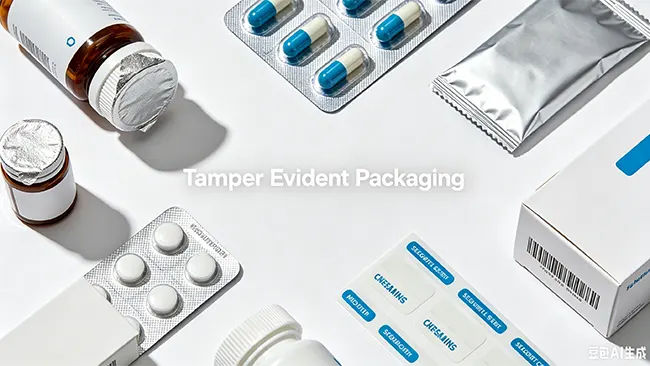
Ia ialah pembungkusan yang direka untuk menunjukkan bukti jelas jika pek telah dibuka, rosak, atau diganggu. Contohnya termasuk meterai kerajang, jalur pengecut, rongga blister, pengedap karton, dan label keselamatan.
Jenis biasa termasuk pengedap induksi, jalur pengecut, penutup kalis gangguan, pek blister, pek jalur, uncang tertutup, karton kalis gangguan, dan label keselamatan.
Ya. Pek blister menunjukkan pembukaan kerana kerajang atau rongga akan rosak apabila tablet atau kapsul dikeluarkan. Setiap rongga juga menunjukkan unit mana yang masih belum dibuka.
Pembeli harus menyemak format produk, bahan bekas, kaedah pengedapan, jenis penutup, kedudukan label, kelajuan talian, kaedah pemeriksaan, dan sama ada ciri tersebut kekal jelas selepas pengeluaran dan pengedaran.
[1] 21 CFR § 211.132 — Keperluan pembungkusan kalis gangguan untuk produk ubat manusia OTC. (https://www.ecfr.gov/current/title-21/chapter-I/subchapter-C/part-211/subpart-G/section-211.132)
[2] TGA — Kod Amalan untuk Pembungkusan Kalis Gangguan Produk Terapeutik. (Therapeutic Goods Administration (TGA))

29+ years in pharmaceutical machinery, covering capsule filling, tablet pressing, blister packaging, tablet and capsule counting, cartoning, GMP production, and overseas machine service.

E-mel : manager@richpacking.cn
Building D, No. 226, Beishan Qiaotou Street, Haizhu District, Guangzhou City, Guangdong Province, China


 Rangkaian IPv6 disokong