






 Rumah
Rumah Produk
29+ years in pharmaceutical machinery, covering capsule filling, tablet pressing, blister packaging, tablet and capsule counting, cartoning, GMP production, and overseas machine service.

Anda secara semula jadinya membeli sebotol minuman ringan di pasar raya seperti biasa. Ia kedengaran begitu rawak. Tetapi hakikatnya, produk tersebut mungkin mempunyai bau, rasa dan pengalaman pelanggan yang sangat serupa dengan yang lain. Namun, anda tetap memilih yang kelihatan lebih baik dan lebih menyerlah di rak. Rahsianya bukan terletak pada minuman ringan itu sendiri, tetapi pada labelnya yang sempurna dan mewah. Pelabelan nampaknya merupakan langkah yang sangat mudah dalam pengeluaran. Walau bagaimanapun, ia memainkan peranan penting dalam menarik pasaran. Pelbagai kedudukan jenama, nilai jenama, serta pengalaman pelanggan dapat dilihat melalui label yang berbeza. Ini seperti petikan lama: "Tanda kecil menunjukkan trend yang hebat". Kepentingan dalam pelabelan perlu dinilai semula kerana ia berkait rapat dengan keputusan pasaran. Oleh itu, kita memerlukan peralatan yang stabil dan boleh dipercayai (untuk tujuan farmaseutikal, kimia dan nutraseutikal sahaja) untuk mewujudkan standard jenama kita.
1. Aplikasi Pelabelan
1.1 Industri Farmaseutikal dan Nutraseutikal
Industri ini merupakan "pembeli besar" untuk mesin pelabelan automatik sepenuhnya. Perusahaan sangat ketat dalam memilih mesin yang tepat dengan kelajuan tinggi, ketepatan tinggi dan piawaian antarabangsa yang tinggi. Mereka mempunyai keperluan sistematik dalam pelabelan bahan habis pakai.
1.2 Kosmetik dan Keperluan Harian
1.2.1 Kes Rata
Kosmetik rak terbuka sering dibungkus dalam bekas rata, contohnya, pembayang mata, bedak kontur, bedak kening dan bedak atau pes tekan lain. Terdapat label satu sisi atau dua sisi pada bekas tersebut.
1.2.2 Botol Bulat
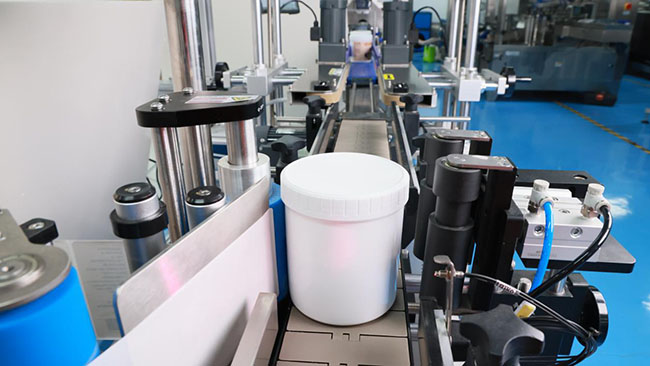
Bagi produk seperti toner, alas bedak atau serbuk pencuci, botol bulat digunakan secara meluas. Pelabelan penjejakan / pelabelan lilit telah disediakan. Pelabelan yang tepat boleh meninggalkan kesan yang baik kepada pengguna.
1.2.3 Botol Lain
Sesetengah jenama ingin menonjol dengan reka bentuk botol mereka yang disesuaikan, seperti botol yang ramping atau botol kon. Botol-botol ini memerlukan pelabelan dengan pengecualian gelembung atau penyahgas bagi memastikan label melekat dengan baik pada produk.
Label pada produk elektronik selalunya bersaiz lebih kecil dengan maklumat tepat yang lebih banyak. Setiap label bertindak seperti titik yang sepadan dengan produk tertentu, menyimpan identitinya.
Dalam industri kimia, label bersaiz lebih besar, kerana produk seperti minyak pelincir dan bahan mentah kimia disimpan dalam tong dan dram. Kerataan label dan daya angkat aplikator adalah faktor yang perlu dipertimbangkan.
Bagi logistik dan e-dagang, memandangkan ia mempunyai maklumat dinamik pada setiap masa, kita memerlukan percetakan segera dan pelabelan segera. Senario yang memerlukan pelabelan adalah seperti yang disenaraikan di bawah.
1.5.1 Pakej E-Dagang
1.5.2 Pengisihan Gudang
1.5.3 Penghantaran
Terdapat juga label dalam industri lain. Kita dapat melihat terdapat label dalam buku, folder, buku nota, bekas cat air, kotak pen dan alat tulis lain dalam industri pendidikan budaya; label pada kotak peralatan, pakej perkakasan; sebutkan sahaja! Label terdapat pada hampir semua benda.
Mesin pembungkusan kotak karton dan mesin pelabelan sudut cukai
Adalah perkara biasa untuk melihat orang memegang pelabel manual di pasar raya, kedai atau bengkel kecil untuk melekatkan tanda harga pada produk tertentu. Mesin manual mudah digunakan, ringan, boleh dipegang sepenuhnya dengan tangan, menggunakan penggantian bahan habis pakai secara manual, dan pencarian secara manual.
Walau bagaimanapun, ia mempunyai kelajuan yang rendah, apatah lagi ketepatan. Dan apabila semuanya beroperasi secara manual, terdapat had fizikal, di mana pekerja perlu berhenti dan berehat sebelum meneruskan kerja. Di samping itu, ia tidak boleh digunakan dalam senario kerja selari.
2.1.2 Mesin Pelabelan Separa Automatik
Bagi perusahaan yang mempunyai kapasiti kecil hingga sederhana, atau dengan berbilang barisan pengeluaran dalam pelabelan rata atau pelabelan botol bulat, aplikator label separa automatik lebih kerap digunakan. Ia menggabungkan pemberian makanan manual dan pelabelan automatik. Secara relatifnya, harga mesin adalah murah. Berbanding dengan mesin manual, kadar ketepatannya jauh lebih tinggi. Struktur mesin mudah difahami, dengan penyelenggaraan mesra pengguna. Mesin ini juga meliputi kawasan yang kecil, yang bermaksud ia boleh diletakkan walaupun di ruang yang agak kecil seperti pejabat.
Namun begitu, aplikator label separa automatik mempunyai kesesakan pengeluaran yang jelas, kerana ia mempunyai had kelajuan rendah yang sukar ditembusi. Walau bagaimanapun, terdapat kos buruh apabila melibatkan pemberian makanan manual, dan kadar ketepatan mudah dipengaruhi oleh faktor manusia. Dengan prestasi tunggal, keupayaan pengembangannya adalah lemah.
2.1.3 Mesin Pelabelan Automatik Sepenuhnya
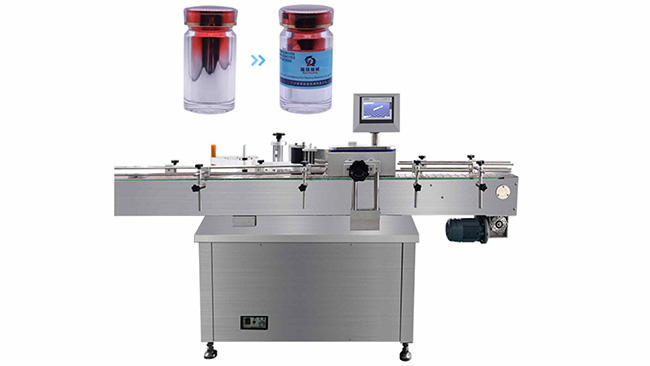
Mesin Pelabelan RQ-HSTB-200
Mesin automatik sepenuhnya berkelajuan tinggi serta tepat. Ia boleh menyegerakkan rentak dengan garisan pengisian, garisan pengiraan, serta garisan penutup. Stesen kerjanya, termasuk penyuapan, kedudukan dan pelabelan, semuanya seperti namanya - automatik sepenuhnya. Kawalan servo dan lokasi sensornya memastikan ketepatan dan kestabilan yang tinggi. Apa yang anda perlu lakukan hanyalah pemantauan. Ia benar-benar boleh mencapai kos rendah dalam perspektif jangka panjang. Selain itu, ia sesuai dengan kerja selari dan pengeluaran saluran paip berskala besar, boleh digunakan dalam percetakan dan pelabelan garisan semua-dalam-satu, pelabelan lengan goyang, pelabelan gulung, pelabelan sensitif suhu (pengecutan haba), dan sebagainya. Untuk mesin sederhana hingga tinggi, kami juga boleh melaraskan dan menyimpan parameter yang berbeza.
Kos awal aplikator label automatik sepenuhnya adalah yang tertinggi antara ketiga-tiga jenis ini. Saiznya lebih besar, dengan ambang penyelenggaraan yang lebih tinggi. Ia memerlukan kualiti bahan habis pakai yang lebih tinggi, iaitu kertas sokongan dan gulungan label.
2.2.1 Aplikator Label Pelekat/Pita Sensitif Tekanan
Mesin jenis ini menggunakan label pelekat pra-bersalut. Label melekit adalah bersih dan sangat berkesan, dengan aplikasi terluas di pasaran. Label melekit boleh menahan persekitaran yang ekstrem dalam suhu tinggi dan rendah, pendedahan UV dan kelembapan yang berbeza.
Untuk majlis yang lebih konvensional, seperti pada botol tradisional, sesetengah jenama lebih menyukai suasana pelabelan vintaj, jadi mereka menggunakan pelabelan pes untuk menzahirkan perasaan itu.
2.2.3 Lengan Pengecut / Pelabel Pengecut Haba
Mesin ini beroperasi dengan filem pengecut haba untuk melabel botol kicap, minuman ringan dan produk farmaseutikal, dan lain-lain (untuk tujuan farmaseutikal, kimia dan nutraseutikal sahaja). Ia kalis gangguan dengan kesan visual yang bagus.
2.2.4 Pelabel Pelekat Cair Panas
Pelekat cair panas sesuai untuk melekatkan label pada permukaan yang diperbuat daripada bahan yang sukar dilekatkan. Selepas pelekat cair panas menyejuk dan menjadi pepejal, ia akan mempunyai kelikatan yang tinggi.
Melihat nama mesin tersebut, kita dapat memikirkan fungsinya. Mesin ini digunakan pada permukaan rata atau permukaan mikro-arka seperti kotak kertas, bekas, produk elektronik dan sebagainya. Ia merupakan model asas dalam industri.
2.3.2 Mesin Pelabelan Label/Botol Bulat/Lilit
Aplikator label penjejak digunakan dalam silinder pelabelan dan botol bulat. Dengan kedudukannya yang tepat, ia boleh melabel produk kosmetik, makanan dan farmaseutikal dengan lancar.
Ia boleh digunakan apabila produk berada dalam kedudukan tegak. Ia boleh menggunakan label sisi dengan maklumat penghantaran dan pengenalan produk.
2.3.4 Aplikator Percetakan dan Label
Ini sering digunakan dalam gudang dan saluran paip logistik, di mana kita perlu mencetak maklumat segera, contohnya, tarikh atau kod bar atau nombor siri penghantaran, pada label dan kemudian melekatkannya pada pakej tertentu.
2.4.1 Aplikator Label Dua Belah
Aplikator label dua sisi melabelkan kedua-dua bahagian hadapan dan belakang produk farmaseutikal atau nutraseutikal, untuk tujuan anotasi.
Lengan goyang bermaksud fleksibiliti. Oleh itu, pelabel ini boleh melekatkan label pada kedudukan yang kompleks.
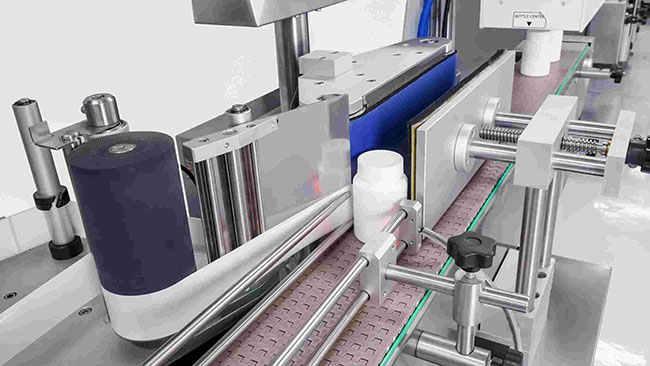
Sistem Pemakanan dan Pengesanan Label Pintar
Ini merupakan masalah penting semasa pengeluaran. Walaupun pengisian tepat, pengiraan betul, dan pembotolan tepat, pelabelan boleh menjadi salah dengan mesin yang salah. Pada langkah terakhir, anda pasti tidak mahu terlepas matlamat, bukan? Tetapi kadangkala kadar ketepatan sukar untuk menentukan sama ada ia maklumat yang benar atau palsu. Anda sentiasa boleh meminta pembekal tersebut untuk memberikan anda data ujian ketepatan. Kemudian anda boleh membandingkan mesin yang berbeza dengan idea yang lebih jelas.
3.2 Kestabilan Operasi Panjang
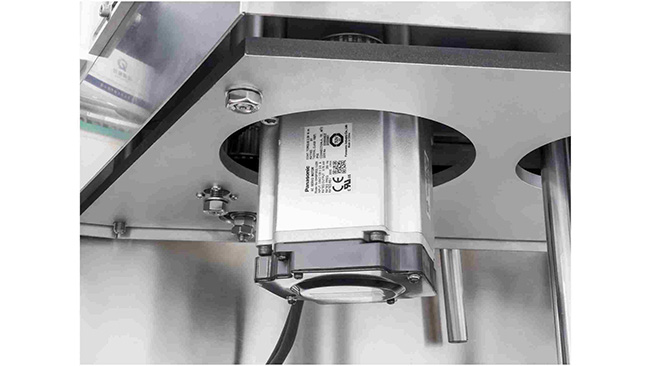
Cengkaman Label Dipacu Motor Servo
Kita juga akan mempertimbangkan bahagian-bahagian utama mesin. Contohnya, jika motor, panduan rel dan sensor adalah jenama antarabangsa, dan mesin diperbuat daripada bahan anti-karat, ia biasanya bermakna mesin lebih stabil. Tambahan pula, dalam hari yang sama, bahagian-bahagian ini boleh diperoleh dan ditukar di banyak negara, menjimatkan masa yang berharga untuk pengeluaran.
3.3 Kebolehsuaian dalam Pengeluaran dan Saluran Paip
Pelabel manual tidak sesuai untuk pengeluaran berskala sederhana hingga besar, apatah lagi pengeluaran saluran paip, manakala yang separa automatik atau automatik sepenuhnya sesuai. Yang kedua lebih banyak digunakan dan lebih fleksibel. Sementara itu, kita akan memikirkan bahan habis pakai, untuk melihat sama ada ia digunakan secara umum.
Berkenaan kos, ia bukan sahaja bermaksud kos mesin itu sendiri. Ia juga termasuk kos buruh apabila anda mempertimbangkan mesin pelabel manual atau mesin pelabel separa automatik. Kadar pembaziran label adalah "kos yang tidak kelihatan". Dan terdapat kos yang mengambil kira sokongan teknikal, latihan kakitangan dan yuran penyelenggaraan selepas anda membeli mesin. Ini adalah faktor-faktor yang perlu anda pertimbangkan apabila anda memulakan pelaburan dalam mesin tersebut.
Untuk pulangan dan pembangunan jangka panjang, memandangkan mesin yang berbeza mewakili kapasiti dan kadar ketepatan yang berbeza, kami akan menilai aplikator label anda dengan cara yang lain. Contohnya, jika anda sedang membangunkan pengeluaran berskala sederhana hingga besar, kelajuan dan ketepatan mesin pelabelan automatik sepenuhnya sepadan dengan keperluan anda. Walaupun kos permulaannya tinggi, pulangannya lebih tinggi dalam jangka masa panjang.
Dalam erti kata lain, pelabel manual atau separa automatik sesuai untuk mereka yang baru bermula dengan bajet dan ruang yang rendah. Mesin pelabelan automatik sepenuhnya sesuai untuk perusahaan yang sudah mempunyai pengeluaran yang stabil dan ingin menaik taraf kapasiti dan pulangan saluran paip mereka.
3.5 Kemudahan Operasi dan Penyelenggaraan
Bagi pelabel manual, hampir tiada ambang dalam operasi, latihan kakitangan atau penyelenggaraan. Ia mudah digunakan, mudah dibersihkan dan mudah diselesaikan. Walau bagaimanapun, "penyelenggaraan sifar" biasanya bermaksud mengabaikan kecekapan dan keseragaman pelabelan. Aplikator label manual tidak dicipta untuk pengeluaran yang besar, tetapi sebaliknya, ia dicipta untuk pelabelan segera dan mudah untuk bengkel kecil.
Untuk aplikator label separa automatik, ia menggabungkan kelebihan kawalan manusia dan pelabelan automatik. Ia mempunyai garis panduan mesra pengguna dan langkah penyelenggaraan yang mudah diikuti. Strukturnya mudah, oleh itu kitaran penyelenggaraan agak singkat.
Bagi mesin pelabelan automatik sepenuhnya, memandangkan ia mempunyai fungsi sistematik yang kukuh, strukturnya lebih rumit daripada yang lain. Mesin ini memerlukan pelarasan profesional dan ia mempunyai skrin kawalan yang berkuasa yang memerlukan latihan kakitangan. Perusahaan sering bergantung pada jurutera profesional untuk menyelesaikan masalah berkaitan operasi dan penyelenggaraan. Walau bagaimanapun, kami boleh menyediakan perkhidmatan sehenti di luar talian dan dalam talian untuk memastikan kakitangan bukan profesional memahami cara mengendalikan dan menyelenggara mesin.
3.6 Sokongan Teknikal dan Perkhidmatan Selepas Jualan
Perkhidmatan selepas jualan hampir sama pentingnya dengan fungsi mesin. Untuk latihan kakitangan, hanya sebuah buku kecil sahaja sudah memadai. Kami akan meminta pihak mesin pelabelan pembekal soalan-soalan berikut: Mana-mana saluran perkhidmatan tempatan? Mana-mana latihan dalam talian? Mana-mana diagnosis jarak jauh? Masa tindak balas? Dan sebagainya. Masa dan nilai anda sentiasa yang paling penting.
3.7 Bagaimana untuk memilih mesin yang betul?
Pertama, analisis keperluan teras dan bajet anda. Kedua, tapis pembekal yang sesuai. Akhir sekali, lakukan penilaian penuh ke atas fungsi dan pensijilan antarabangsa.
Pelabelan kelihatan seperti langkah terakhir yang mudah dalam barisan pengeluaran. Walau bagaimanapun, ia memainkan peranan penting dalam mewakili kualiti jenama dan memberikan nilai jenama. Memilih mesin yang tepat untuk keperluan teras anda bukan sahaja jaminan kecekapan anda, tetapi juga asas yang kukuh untuk pertumbuhan masa hadapan.
Daripada manual, separa automatik, kepada automatik sepenuhnya; daripada botol bulat rata, kepada pelabelan tersuai; mesin yang berbeza sepadan dengan peringkat pertumbuhan yang berbeza. Untuk memilih mesin yang tepat dan sepadan sepenuhnya dengan fasa pembangunan perusahaan anda, kami akan mengambil kira kapasiti, ciri produk, perancangan bajet, ketepatan, kestabilan mesin dan barisan pengeluaran kami.
Jika anda menghadapi masalah seperti cara memilih pelabel, atau anda ingin menyesuaikan pelan pelabelan anda agar sesuai dengan barisan pengeluaran anda, sila hubungi hubungi kami Pasukan profesional kami bersedia menangani masalah anda, dan menyediakan perkhidmatan sehenti yang cemerlang. Jadikan pelabelan sebagai tumpuan utama anda dan tingkatkan nilai jenama anda!

29+ years in pharmaceutical machinery, covering capsule filling, tablet pressing, blister packaging, tablet and capsule counting, cartoning, GMP production, and overseas machine service.

E-mel : manager@richpacking.cn
Building D, No. 226, Beishan Qiaotou Street, Haizhu District, Guangzhou City, Guangdong Province, China


 Rangkaian IPv6 disokong